

The Exact Ad System I Use to Hit Bestseller Every Launch
Chapter 3 from the Lazy Book Launch Model

Hey Revenue Writers,
Today I’m releasing the 3rd actual rough draft chapter (4th if you count the introduction) of the LAZY Book Launch Model.
The whole concept of a lazy book launch model relies on the ability to have some control over when and why people flock to buy your book.
A podcast guest episode is ok, but the returns are sprinkled out for months and years.
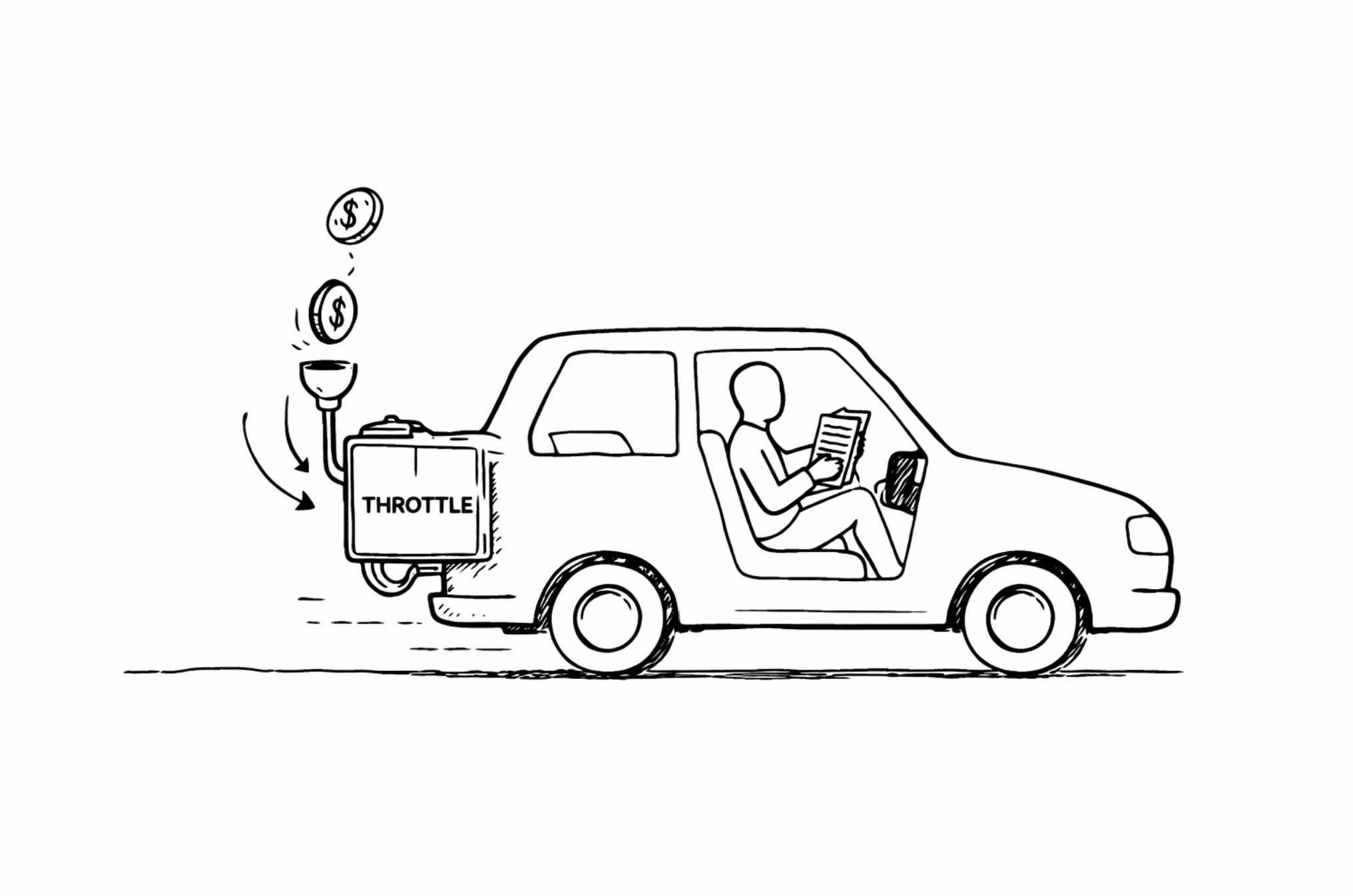
So rather than doing a lot of time and energy demanding activities I’ve more and more found ways to hit bestseller using $$$ or relationships.
I’ve used this system to hit Amazon Bestseller with the last 6 books I’ve launched… it always works. I’ve also used it to get an older book in my catalogue to bestseller status for the first time.
So no matter your situation… this chapter will give you the exact process to hit bestseller.
If you missed the first few chapters of the LAZY Book Launch Model, you can read them below.
Z - Zero in With Targeted Ads
I spent $30 a day and stayed at bestseller for a month.
Not $500. Not hours of content creation or podcast interviews. Just $30 in BookBub ads while I worked on other things.
Total spend? About $1,000 to keep Mini Book Writing at bestseller for over a month.
Return? Bestseller status. Hundreds of sales. Dozens of reviews. All the momentum Amazon gives you when you stay visible in a category.
Here’s the LAZY part: a couple hours upfront, then 5 minutes a day.
Same ad. Just made minor tweaks over time to keep it showing to new readers. Meanwhile, I was writing my next book, running my business, being a dad. The ads ran in the background.
That’s why ads are the “Z” in LAZY. You spend money instead of time. A couple hours to set up headlines and find the right authors to target. Then 5 minutes a day checking in.
For a new book launch, the math is simple: about $200 during pre-order for testing, about $250 during launch week to hit bestseller. Total: around $500. Way less than what most people waste trying to launch with Launch Lunacy.
And here’s the key: I only use cost-per-click ads on BookBub.
I’m paying for actual clicks from readers who are ready to buy. If my Amazon page converts (which is why Chapter 3 matters), those clicks turn into sales. If my page is broken, ads just expose the problem faster.
Let’s break down how to do this without wasting money.
What BookBub Ads Are
BookBub is an email list of millions of rabid readers.
These are the diehards of digital books. They sign up to receive a daily email of bargain books, discounted usually between $4.99 and free, in genres they’ve selected. Thriller readers get thriller deals. Business readers get business deals. These people open their email every day looking for books to read.
This is permission marketing at its best.
Your ad sits at the bottom of that email.
Right underneath the featured deals. The reader sees your ad for one of two reasons: you’re targeting their genre, or you’re targeting readers of an author they’ve bought from or clicked on before. Either way, you’re showing up to exactly the right person.
You’re putting your book in front of readers who are your target market.
Why BookBub Over Everything Else
Social media platforms don’t want people leaving.
They make money keeping you scrolling. The longer you stay, the more ads they show, the more they profit. So when you run a book ad on Facebook or Instagram, you’re fighting an algorithm designed to keep people from clicking off the platform. Even if they see your ad, the platform loses when they leave to buy.
BookBub is designed to get you to buy a book.
They make money when readers click ads and buy books. The entire platform exists to connect readers with their next read. When someone clicks your ad and buys, everyone wins. The incentives align. Social media fights against you. BookBub works with you.
Which sounds like a better way to reach readers?
Amazon Ads work great once your book has sales history.
But for a new launch? Amazon only shows ads for books that make them money. Your book is new. They don’t know if it’ll sell yet. So they don’t show your ad much, no matter how much you bid. On BookBub, you control how much your ad is shown. You set the budget. It shows up. You get clicks.
That’s why I use BookBub for launches.
Cost-Per-Click vs Impressions (and why CPC matters)
BookBub offers two bidding models: CPM (cost per 1,000 views) or CPC (cost per click).
CPM means you pay every time 1,000 people see your ad, whether they click or not. CPC means you only pay when someone actually clicks. For a new book launch, CPC is the only model that makes sense. You’re not trying to build brand awareness. You’re trying to get clicks that turn into sales.
I only use CPC for launches.
CPM works once your ad is already converting well and your click-through rate is strong. Then you can get cheaper clicks than CPC. But for a new launch? CPC lets you test without bleeding money on impressions that go nowhere. You pay for results, not visibility.
You pay for clicks. Clicks turn into sales. Sales turn into bestseller status.
That’s why I stick with CPC until I know the ad works.
